
American Plum
$60.00Scientific Name: Prunus americana American plum can be single or multi-stemmed, usually between 10 and 25 feet tall. It produces white flowers in spring and small tart plums in the…
Showing 1–16 of 19 results
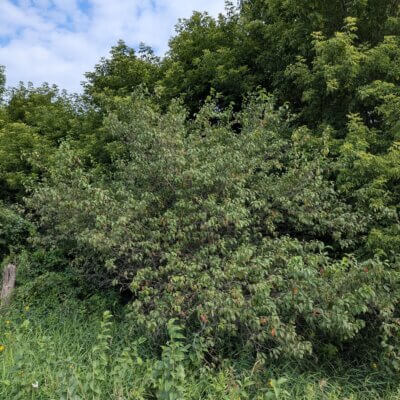
Scientific Name: Prunus americana American plum can be single or multi-stemmed, usually between 10 and 25 feet tall. It produces white flowers in spring and small tart plums in the…

Each bundle comes with 25 tree seedlings.
5x Silver Maple
5x Hackberry
5x White Cedar
5x Swamp Oak
5x Balsam Fir
With the widespread occurrence of the emerald ash borer in Minnesota, it is not recommended to plant ash trees. If ash has been removed, these species are suited to similar conditions as ash trees. Planting a variety of species promotes healthy and resilient woodlands, decreasing their susceptibility to pests and disease. Ash trees are typically found in floodplains and wet forests, as well as in urban areas. Species like silver maple, hackberry, white cedar, paper birch, and balsam fir grow in similar habitats and are good replacements for ash.
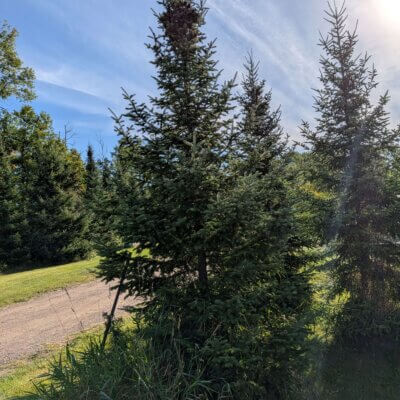
Scientific Name: Abies balsamea
Balsam fir is a midsize tree of 50 to 70 feet, found in the northern half of the state. It has a narrow pyramidal form and smooth gray bark, and can be differentiated from spruces by its upright cones and flat needles. Balsam fir prefers moist, acidic soil and tolerates compacted or wet soil. It is very shade tolerant but cannot tolerate drought or fire.
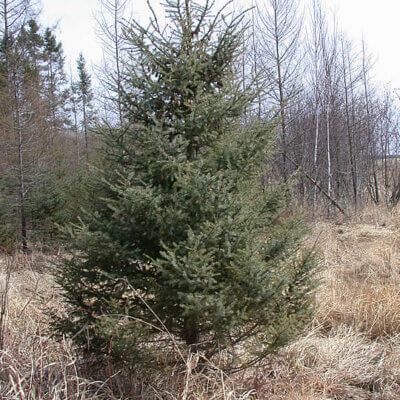
Scientific Name: Picea mariana
Black spruce is a slow growing, midsize tree of 30 to 50 feet. It has a narrow crown and drooping branches. Often found in bogs and swamps, black spruce can grow in acidic, nutrient-poor soil and is tolerant of wet areas and poor drainage. They typically retain their lower dead branches and can be susceptible to fire during drought.
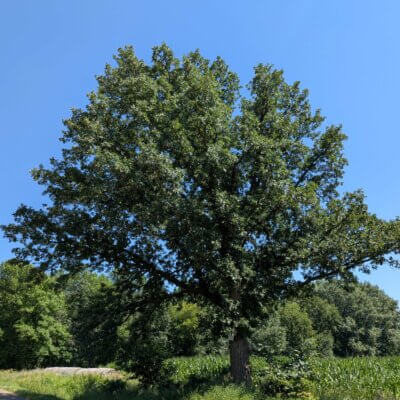
Scientific Name: Quercus macrocapra
Bur oaks are large, broad trees, reaching heights between 60 and 80 feet. Their branches are often gnarled with deeply furrowed bark. Native to prairielands, they prefer full sun and often rely on fire to open the canopy enough to grow. Bur oaks are slow-growing and long lived, surviving up to 400 years. The acorns they produce have fringed caps and are eaten by squirrels and other wildlife. Bur oaks are tolerant of both drought and occasional flooding and can grow in a variety of soil types. This tolerance of varied conditions makes bur oaks highly resilient and well-suited to adapt to Minnesota’s changing climate.
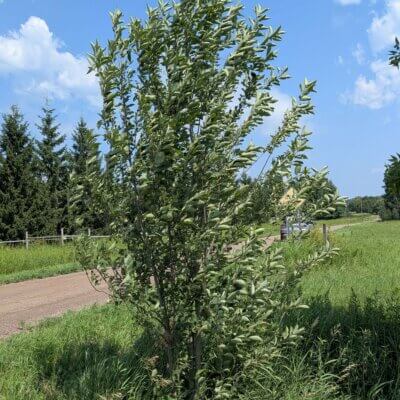
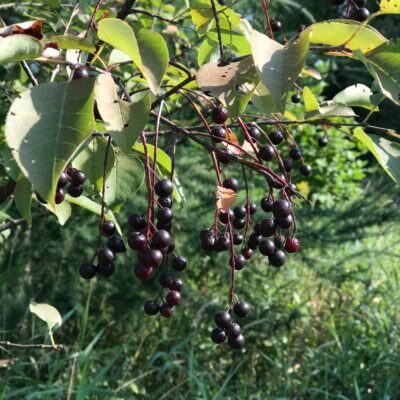
Scientific Name: Prunus virginiana
Chokecherry is a highly adaptable shrub of 20 to 30 feet, found across Minnesota. It prefers full sun to partial shade and is moderately shade tolerant. It grows quickly and can spread through underground rhizomes. Clusters of white flowers in the spring attract pollinators. Dark red fruits are produced from late summer to fall and are eaten by birds and other wildlife. Chokecherry is considered climate adapted due to its ability to grow in a variety of soil types.
Trees are sold in bundles of 25 seedlings.
Scientific Name: Amorpha fruticosa
False Indigo is a highly adaptable and low maintenance shrub, well-suited for shorelines with their extensive root systems and preference for wet soil. It grows between 3 and 12 feet tall and is multi-stemmed. Spikes of purple flowers bloom from June to July and are visited by bees and butterflies. As a legume, False Indigo fixes nitrogen in the soil, allowing it to survive in nutrient-poor soils. The shrub’s adaptability makes it well suited to adapt to Minnesota’s changing climate.
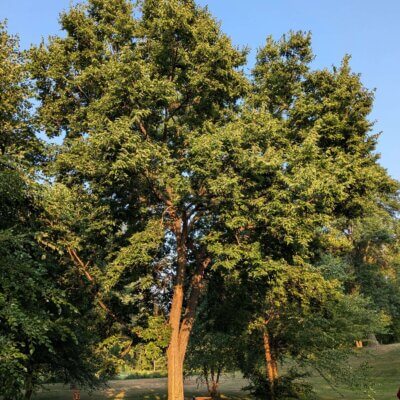
Scientific Name: Celtis occidentalis
Hackberry is a highly adaptable tree that can thrive in a variety of conditions, making it especially climate-ready. It grows 40 to 75 feet tall and is moderately fast growing. It is common in floodplains and is tolerant of poor drainage, flooding, drought, and alkaline or compacted soil. Hackberry is recognizable by its bumpy bark and small, dark red fruits that ripen in early fall. The fruit is eaten by birds and small mammals and remains on the tree into winter.
Trees are sold in bundles of 25 seedlings.
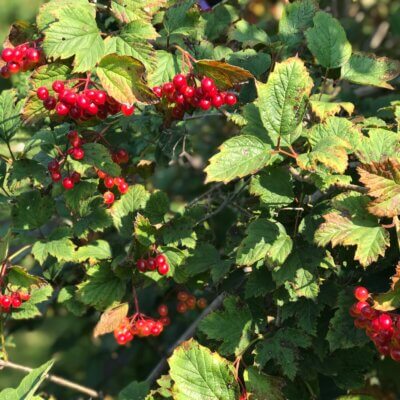
Scientific Name: Viburnum trilobum
Highbush cranberry is a tall, multi-stemmed shrub of 9 to 12 feet. It prefers moist to wet soil but is tolerant of a variety of conditions including occasional flooding and road salts, making it climate ready. Highbush cranberry has white flowers in the spring and bright red fruits in the fall which are eaten by birds and other wildlife.
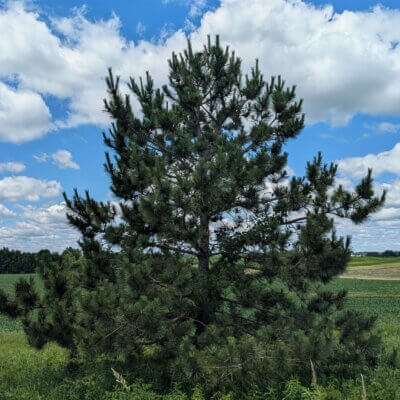
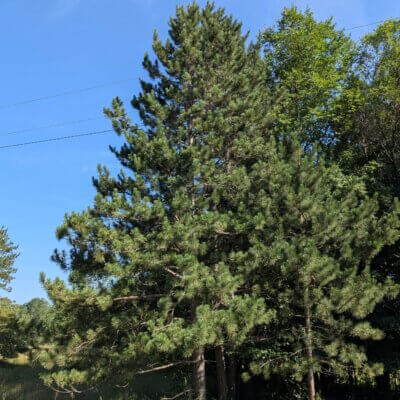
Scientific Name: Pinus resinosa
Red pine is a tall, straight-trunked tree of 60 to 80 feet. It often loses its lower branches as it grows, leaving a small crown at the top by maturity. The tree gets its name from distinct reddish patches on the scaley bark. It is shade intolerant and prefers sandy, drier soil. Red pine is long living, surviving up to 400 years.
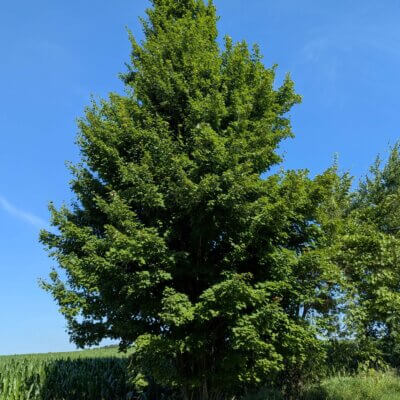
Scientific Name: Acer rubrum
Red maples are fast-growing and easy to establish, reaching heights of 40 to 65 feet. They prefer acidic, moist, well-drained soil but can tolerate poor drainage, compacted soil, and drought. Red flowers bloom from March to May, and in the fall, their leaves turn orange to brilliant red. Their winged seeds spread and produce many seedlings. Red maples’ ability to grow in a wide range of habitats makes them predicted to do well in future climate conditions.
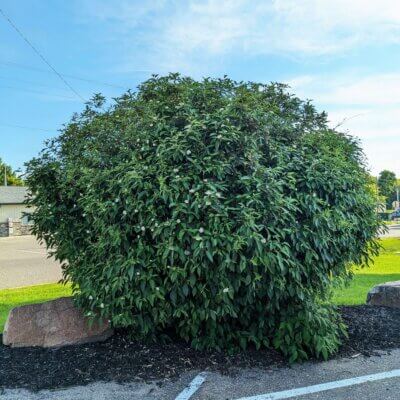
Scientific Name: Cornus sericea
Redosier dogwood is a fast-growing shrub of 5 to 9 feet, with distinctive red stems that stand out in wintertime. The shrub is tolerant of wet soil and flooding and is often used in shoreline restoration. It prefers full sun to partial shade and is fire tolerant. In spring, clusters of white flowers bloom and attract pollinators. Later, its fruits are eaten by birds and wildlife. Redosier dogwood is considered climate adapted due to its ability to grow in a variety of soil types.
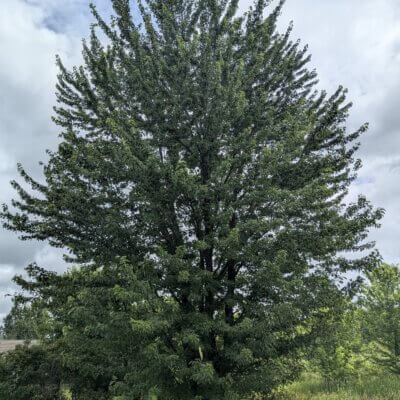
Scientific Name: Acer saccharinum
Silver maples are very fast-growing trees, reaching heights of 50 to 80 feet. Often found on floodplains, they prefer moist to wet soil and are tolerant of flooding. This tolerance of flooding makes them resilient for future climate conditions. They prefer full sun to partial shade and are not very shade tolerant. Silver maples need to be pruned when young to promote healthy growth. In the fall, their leaves turn yellow to gold.
Scientific Name: Quercus bicolor
Swamp white oak is a slow growing, long-lived tree that is typically 50 – 65 feet tall. It is native to floodplain forests and is tolerant of flooding and sedimentation that occur in those habitats. Swamp white oaks can also tolerate some drought and drier soil. This tolerance makes it climate resilient in the Minnesota climate. They prefer full sun and acidic soil but can tolerate alkaline soil as well. Swamp white oak can be differentiated from bur oak by their acorns, which have a smaller cap than bur oak acorns.
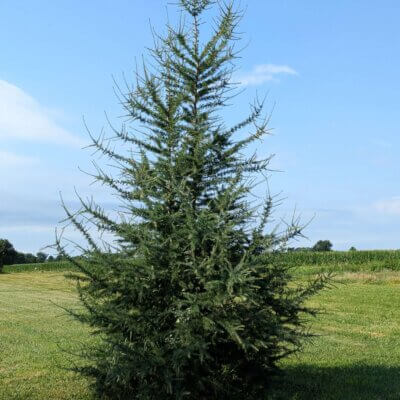
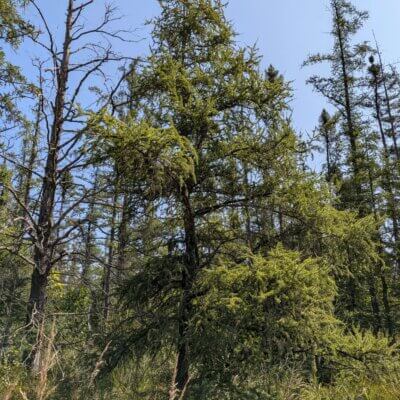
Scientific Name: Larix laricina
Tamaracks are fast growing trees that reach between 40 and 80 feet tall. They are the only conifer in Minnesota that shed their needles annually, turning yellow in the fall before they drop. Native to swamps and bogs, Tamarack trees prefer moist to wet acidic soil. They prefer full sun and are not shade tolerant. Tamarack is considered climate adapted due to its ability to grow in harsh conditions.
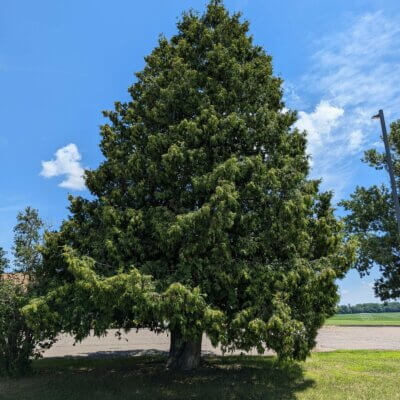
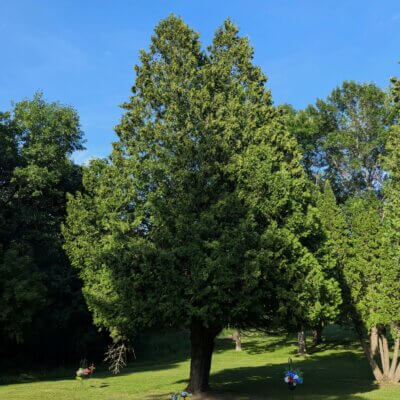
Scientific Name: Thuja occidentalis
White cedar is a midsize tree, 40 to 60 feet tall, often with a divided trunk. It has shaggy bark and soft, flat needles and is commonly used ornamentally. White cedar is native to the northern half of the state and prefers colder areas. Common in swamps, white cedar grows in acidic, moist soil but can also tolerate dry sites. It prefers full sun to partial shade but is shade tolerant. White cedar is considered climate adapted due to its ability to grow in a variety of soil types.
End of content
End of content