Contact the Forestry Coordinator at 320-983-2160 or molly.clyne@millelacsswcd.org to learn more and discuss your options.
Annual Tree Sale
Each spring, the Mille Lacs Soil and Water Conservation District hosts an annual conservation tree sale, inspiring residents across Mille Lacs County to embrace the benefits of tree planting. Through this initiative, the SWCD provides over 10,000 trees to more than 100 community members each year. These trees are planted to create thriving habitats for birds and wildlife, establish protective shelter belts, and promote soil and water conservation, all while enhancing the natural beauty of the region.
At Mille Lacs SWCD, we believe in securing the forest of the future which is why we focus our tree sales on native and non-invasive plant species.
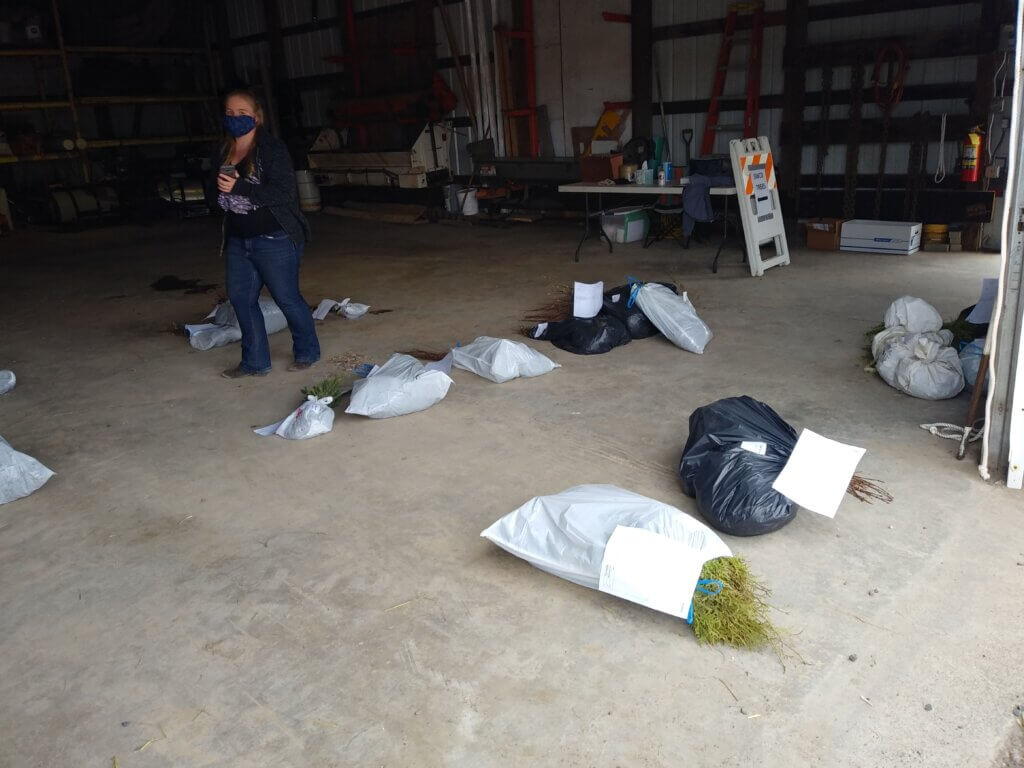
The trees and shrubs offered by the SWCD are bare root seedlings that are sold in bundles of 25. Bare root seedlings are easy to plant and grow quickly.
Learn more about the sale here.
Benefits of Planting Trees
The roots of trees and shrubs play a crucial role in stabilizing soil, effectively preventing erosion caused by stormwater runoff. They also act as natural filters, purifying water as it passes through the soil to replenish the groundwater below. Many of the species we offer provide year-round food and shelter for birds and wildlife, contributing to a vibrant and diverse ecosystem. Beyond their ecological benefits, trees can enhance your property’s value and contribute to energy efficiency by offering shade in the summer and protection from cold winds in the winter.
Do you need a tree planter or tree bar for your planting project? We have them available to rent!
Planting Guides
How to Plant (Steps)
How to plant a bareroot seeding
Tree spacing recommendations
BEST TIME TO PRUNE TREES AND SHRUBS
Woodland Stewardship Plans (WSPs)
A woodland stewardship plan helps woodland owners understand what is in their woods, how to improve them, and when to do the work.
Woodland owners with 20 to 5,000 acres can get a plan written by professional foresters approved by the Division of Forestry. Find the list of eligible writers here.
Why Get a Woodland Stewardship Plan?
You can be eligible for incentive programs such as the Sustainable Forest Incentive Act (SFIA) where you can receive yearly incentive payments or 2c Managed Forest Land where you receive a property tax rate of 0.65%.
Have a better understanding of your woods with information such as: field inventory of the forest types present, description of the surrounding landscape, maps, drawings, or photos of your property, list of management practices to meet your goals and when to complete them.
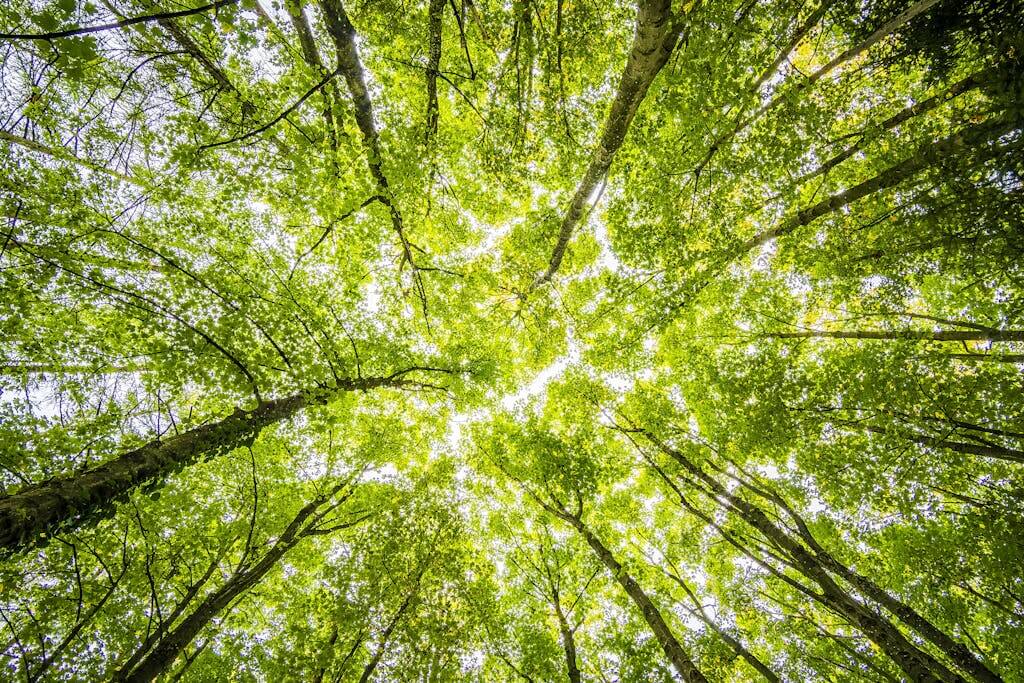
You may be eligible to receive assistance for planting trees on your land!
The Mille Lacs SWCD is currently involved in a project that aims to get more trees planted on privately owned lands. You could receive cost-share for a Woodland Stewardship Plan and tree planting services.
Contact the Forestry Coordinator at 320-983-2160 or molly.clyne@millelacsswcd.org to learn more and discuss your options.
What is a Landscape Stewardship Plan?
Effective landscape conservation is a compelling challenge across the United States. Declining water quality, climate change, forestland conversions, wildfires, and invasive species are among many threats to our Nation’s forests and the ecosystem services they provide. Forestlands cover roughly 42 percent of the Midwest and Northeast states, with 77 percent of those forests in private ownership. There are nearly 5 million private forest landowners in these 20 states. With over one quarter of the Nation’s forests, and nearly half (43%) of the Nation’s population in this region, conserving our forests is not a luxury, it is a necessity.
Landscape stewardship is the process established by the US Congress through policy directives in the 2008 Farm Bill to face these challenges. Leadership from the USDA Forest Service and the Northeastern Area Association of State Foresters (NAASF) developed a vision for landscape scale conservation to address these threats. They recognized the public and private benefits that planning and managing forestlands across boundaries are best addressed through integrated local based partnerships with supporting resources.
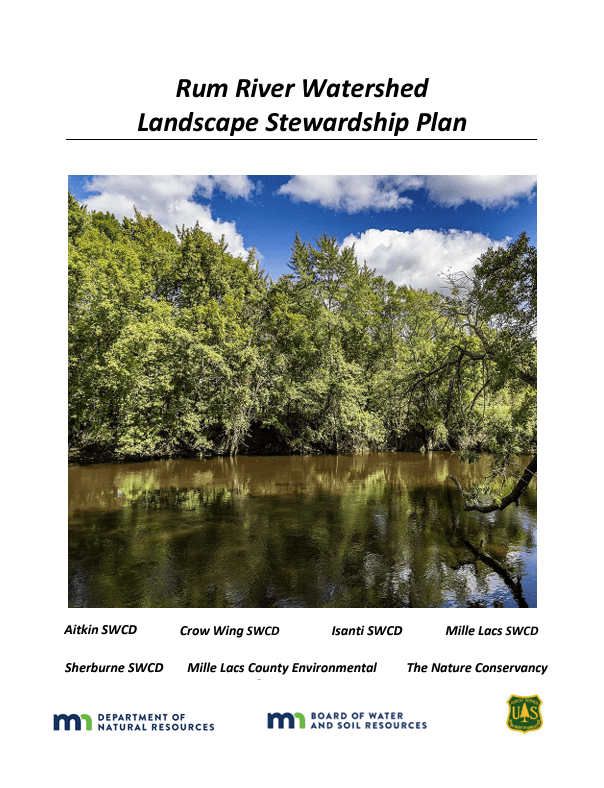
Click to read the Rum River Watershed’s Landscape Stewardship Plan.